Receiving a reminder letter that your driving licence is about to expire can feel stressful, particularly as you approach your 70th birthday. In the United Kingdom, turning 70 is a milestone that changes how the Driver and Vehicle Licensing Agency (DVLA) manages a driver’s licence and renewal process.
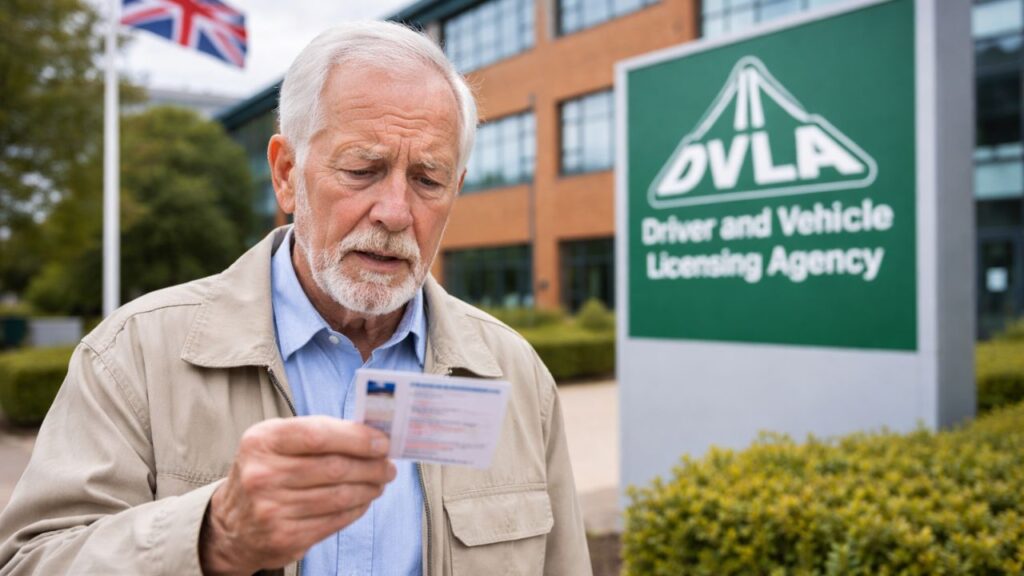
From March 2026, the DVLA has reaffirmed its rules to keep the process balanced while maintaining road safety across the country. If you or someone in your family is preparing for this stage, it is important to understand the official guidance rather than relying on misleading “pensioner ban” stories circulating online.

This guide explains the key rules, highlights what has changed in recent updates, and outlines the steps older drivers should follow to continue driving legally and safely.
 State Pension Cut Approved - £153 Monthly Reduction Starting 17 March 2026 for Some Claimants
Licence Renewal After Turning 70
The most important point for drivers approaching 70 is that a licence will no longer renew automatically. Until this age, most UK motorists hold a photocard licence that normally lasts ten years. However, when you reach your 70th birthday, the current licence officially expires.
To remain legally allowed to drive, you must submit a renewal application. The DVLA generally sends a D46P reminder form roughly 90 days before your birthday. If the reminder is ignored and you continue driving without submitting a renewal request, you may technically be driving without a valid licence. This situation could lead to penalties and may also invalidate your car insurance policy.
Three-Year Renewal Requirement for Older Drivers
Drivers over 70 must renew their licences more frequently than younger motorists. After completing the first renewal at 70, the licence must be renewed every three years.
This renewal is not a driving test. Instead, it acts as a routine update to confirm that your health and eyesight still meet safe driving standards. A key benefit is that these renewals are free when completed through the official GOV.UK website.
Drivers should be cautious of unofficial websites that imitate DVLA pages and charge unnecessary service fees. Some copycat sites ask for administrative payments even though the official renewal process costs nothing.
Updated Focus on Vision Requirements
In 2026, the DVLA has placed additional attention on eyesight standards. The long-standing rule remains the same: drivers must be able to read a vehicle number plate from a distance of 20 metres.
However, the agency now encourages drivers to take eyesight checks more seriously before confirming their fitness to drive. If glasses or contact lenses are required to read the number plate clearly, they must be worn whenever driving.
The DVLA has also strengthened cooperation with opticians to encourage regular eye examinations for drivers over 70. Providing inaccurate information about vision on a renewal form could lead to legal consequences if a driver is involved in a road incident.
Medical Conditions That Must Be Declared
The renewal application includes several questions related to medical health. Drivers must legally report certain conditions that may affect their ability to drive safely.
Examples of notifiable conditions include:
Dementia or serious memory loss.
Parkinson’s disease.
Epilepsy or unexplained blackout episodes.
Diabetes treated with insulin.
Conditions affecting both eyes such as glaucoma or cataracts.
In recent updates, the DVLA has simplified the online “Medical Fitness to Drive” reporting service. In many situations, declaring a condition does not mean losing your licence. Instead, the DVLA may issue a shorter licence period or request additional medical evaluation.
Changes to Vehicle Category Rights
Another rule that surprises many older drivers is the removal of certain vehicle entitlements when renewing at age 70.
Drivers automatically lose “Grandfather Rights,” which previously allowed them to drive medium-sized vehicles and minibuses under categories C1 and D1.
If someone still needs to operate a motorhome between 3.5 and 7.5 tonnes or drive a community minibus, they must complete a D2 application and submit a D4 medical form filled out by a doctor. This medical examination confirms that the driver meets the higher health standards required for larger vehicles.
Benefits of Using the Online Renewal Service
The DVLA strongly recommends renewing licences online instead of using postal forms. One major reason is the faster processing time.
 £649 Weekly State Pension for 2026 Confirmed by UK Government - What Pensioners Need to Know
Online renewals are typically completed within about five working days. In contrast, paper applications may take several weeks, particularly during busy periods.
To apply online, drivers generally need their National Insurance number, a valid UK passport for identity verification, and address details covering the previous three years. The process is designed to be simple and secure, and many drivers over 70 now choose this method.
Section 88 and Driving While Waiting
A common concern among drivers is what happens if a licence expires while the renewal application is still being processed.
Section 88 of the Road Traffic Act 1988 provides a solution. Under this rule, drivers may be allowed to continue driving while waiting for the DVLA to make a decision on their renewal application.
However, several conditions must be met. The driver must previously have held a valid licence, must not be disqualified from driving, and their doctor must support their decision to continue driving. This provision ensures that drivers are not unfairly restricted while the DVLA reviews their application.
Awareness of Cognitive Health
Discussion about cognitive ability and driving has increased in recent years. Although the DVLA does not require a compulsory memory test for all drivers over 70, guidance encourages individuals to monitor their own cognitive health.
Drivers who feel uncertain in complex traffic situations or whose family members have expressed concern may consider taking an Experienced Driver Assessment. These assessments are designed to provide helpful feedback rather than pass-or-fail results.
By identifying small improvements in driving habits, many older drivers can maintain safe mobility for longer.
Protecting Yourself from DVLA Scams
Online scams targeting pensioners have become more common. Fraudulent websites sometimes imitate official DVLA pages by copying logos or government-style branding.
To stay safe, drivers should always confirm that the website address ends with “.gov.uk.” The genuine DVLA renewal service does not charge a fee for over-70 licence renewals.
If a website requests payment for a “processing” or “administration” fee, it is likely an unofficial service that simply forwards your information to the DVLA while charging unnecessary costs.
Voluntary Surrender of a Driving Licence
Some drivers eventually decide they are no longer comfortable driving. In these cases, the DVLA allows individuals to voluntarily surrender their licence.
This option can be beneficial if a driver expects their health to improve later. For example, after surgery or medical treatment, it may be possible to reapply for a licence more easily.
Giving up a licence can also unlock local travel benefits such as free bus passes for older residents or discounted rail services, helping individuals stay mobile without maintaining a personal vehicle.
Insurance Responsibilities for Older Drivers
Even if the DVLA confirms that you are medically fit to drive, insurance companies still require accurate health disclosures.
Drivers must inform their insurer about any medical conditions reported to the DVLA. Failing to do so could result in an insurance claim being rejected.
Some insurers now offer telematics or “black box” policies specifically designed for older drivers. These policies monitor driving behaviour and may help reduce insurance premiums by demonstrating safe and responsible driving habits.
Maintaining Independence on the Road
The updated DVLA guidance is intended to support road safety while allowing older drivers to remain independent for as long as possible.
By renewing licences every three years, completing eye tests regularly, and honestly declaring medical conditions, drivers can continue to enjoy the freedom that driving provides.
Starting the renewal process early is the most important step. Using the 90-day reminder period before your 70th birthday helps ensure a smooth and stress-free transition into the next stage of your driving journey.