For many people across the United Kingdom who live with disabilities or long-term health conditions, Personal Independence Payment (PIP) remains an essential form of financial support. The benefit is designed to help individuals cover the additional expenses that often arise due to mobility challenges, health limitations, or the need for daily assistance. As March 2026 approaches, the Department for Work and Pensions (DWP) has confirmed a number of adjustments to how PIP assessments, reviews, and awards will be handled.
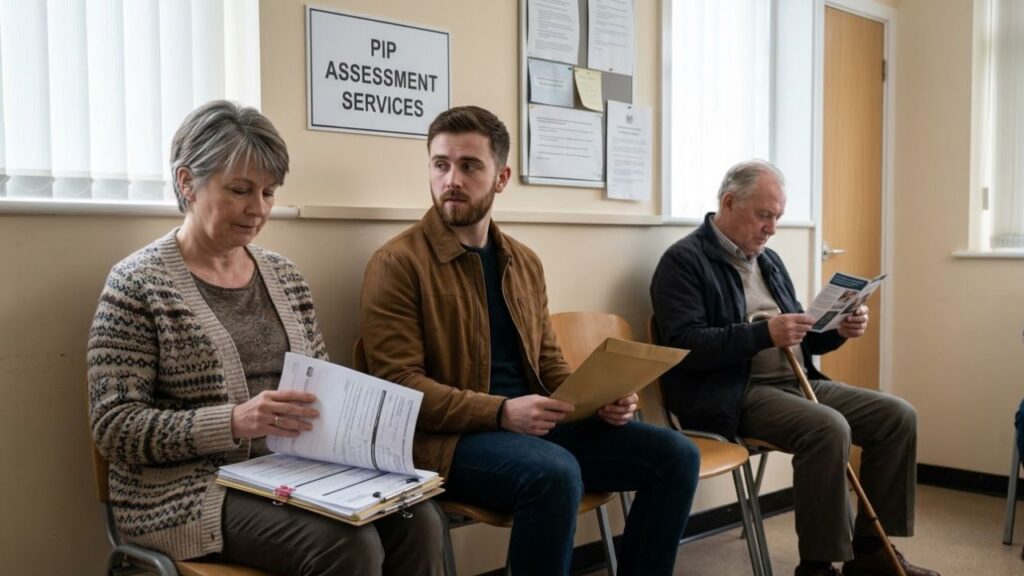
These updates represent one of the most significant changes to the disability benefits framework in recent years. According to government officials, the goal of the new system is to ensure that support is directed toward those with the most severe conditions while also modernising the assessment process. However, disability advocacy organisations have raised concerns that some of the revised scoring rules may create difficulties for certain claimants.

Anyone who currently receives PIP or intends to apply in 2026 should take time to understand these new policy updates. Knowing how the updated assessment structure works can help claimants gather appropriate medical evidence, avoid common errors during evaluations, and protect their access to financial support.

Introduction of the Four-Point Activity Requirement
One of the most widely discussed changes introduced in 2026 is the new requirement that claimants must score at least four points within a single daily living activity. Under the previous system, individuals could combine smaller point values across multiple activities to reach the required threshold for the Daily Living component.
For instance, a claimant might previously receive two points for assistance with meal preparation, two points for help with washing or bathing, and two points for dressing. When combined, these points could contribute toward the total required score for eligibility.
Under the revised rule, claimants must now achieve at least four points in one specific activity while still meeting the overall eight-point threshold required for the standard award. This change effectively raises the eligibility bar, especially for individuals who experience moderate difficulties across several daily tasks rather than severe limitations in just one area.
Government projections suggest that this policy adjustment may influence a considerable number of claims during reassessments over the coming years.
Return of More In-Person Assessments
During the COVID-19 pandemic, most PIP assessments were conducted through telephone or video appointments in order to minimise travel and reduce health risks. Many claimants found these remote assessments more convenient and less stressful.
However, the Department for Work and Pensions has now confirmed that face-to-face assessments will become more common again beginning in 2026. The department aims for approximately thirty percent of evaluations to take place at physical assessment centres.
Officials believe in-person appointments can sometimes allow assessors to observe mobility limitations and functional difficulties more clearly. At the same time, disability organisations have expressed concerns that travel requirements may place additional pressure on individuals who suffer from severe fatigue, chronic pain, or mobility restrictions.
Claimants attending an in-person appointment should remember that assessors may begin making observations from the moment they arrive at the assessment location.
Protection Measures for Severe and Lifelong Conditions
While some of the new rules introduce stricter eligibility criteria, the 2026 reforms also include a positive development for individuals with permanent and progressive medical conditions. A new classification called the “Severe Conditions Criteria” has been introduced to offer greater long-term stability.
This category may include people living with advanced neurological disorders, terminal illnesses, severe dementia, and other lifelong conditions that permanently limit independence.
Individuals who qualify under this classification may no longer need to undergo routine reassessments. Once their benefit is approved, they can remain on the payment system without the repeated review process that previously required extensive paperwork and frequent evaluations.
Extended Award Periods for New Claimants
To help reduce the growing backlog of disability benefit cases, the Department for Work and Pensions has also introduced longer award durations for many new claimants. Starting in March 2026, successful applicants aged twenty-five or older may receive awards lasting between three and five years as the standard initial period.
In the past, many claimants were given shorter award durations of only one or two years, which resulted in frequent reassessment cycles. The longer award periods are intended to ease administrative pressure while also providing claimants with greater financial certainty.
If a claimant’s condition remains stable during the first review stage, their award may later be extended through a simplified review process that involves fewer documents and reduced medical verification.
Link Between PIP and Universal Credit
Another important development within the wider welfare system involves the relationship between Personal Independence Payment and Universal Credit. The government has announced plans to gradually phase out the Work Capability Assessment and align eligibility decisions more closely with PIP assessments.
For many future claimants, the outcome of a PIP assessment may play a greater role in determining eligibility for the additional health-related support element within Universal Credit.
Because of this connection, individuals who fail to qualify for PIP under the revised scoring rules could potentially face difficulties accessing certain additional financial supports available through the broader benefits system.
Mandatory Recording of All Assessments
One reform that has been widely welcomed by disability campaigners is the introduction of mandatory recording for all PIP assessments. In previous years, claimants were required to request recordings ahead of time, and technical issues occasionally caused delays or cancelled appointments.

Beginning in 2026, recordings will automatically be made for telephone, video, and face-to-face assessments.
These recordings will provide an official record of the conversation between the claimant and the assessor. The measure is expected to improve transparency and reduce disputes during Mandatory Reconsiderations or appeal processes, as claimants will have clear evidence of what was discussed during the assessment.
Challenges for Claimants with Invisible Disabilities
The updated rules have generated concern among people living with conditions that are not immediately visible, including mental health disorders, autism spectrum conditions, and ADHD. Many individuals with these conditions experience fluctuating symptoms that affect several daily activities rather than creating severe difficulty in a single task.
Because the revised scoring system requires a higher score within one specific activity, some claimants who rely on prompting or supervision across multiple tasks may find it harder to meet the new eligibility threshold.
Experts recommend that individuals with invisible conditions collect detailed supporting evidence from medical professionals that clearly explains how their symptoms affect specific daily activities.
Digital Evidence and the New Online Application Portal
As part of a broader effort to modernise the benefits system, the Department for Work and Pensions has launched a new digital portal for submitting PIP applications and supporting evidence.
Through this platform, claimants can upload documents such as hospital letters, clinical reports, and personal diaries describing how their condition impacts daily life.
The system is designed to highlight the most relevant information for assessors, potentially helping to speed up the review process. However, under the new rules, the quality and clarity of submitted evidence are becoming increasingly important.
Claimants are encouraged to focus on explaining functional limitations rather than simply listing medical diagnoses. Evidence that clearly describes which tasks a person cannot perform safely often carries greater weight during the assessment.
Updated Guidance for Mobility Assessments
Although most reforms focus on the Daily Living component of PIP, the Mobility element is also being reviewed as part of ongoing policy analysis. The existing twenty-metre rule for enhanced mobility support remains unchanged for the time being.
However, updated guidance has been issued regarding claims involving psychological distress related to planning or following journeys.
Assessors may now require more detailed documentation showing that an individual experiences overwhelming distress that prevents them from travelling safely. Professional evidence such as therapy records, specialist evaluations, or documented incidents may be needed to support these claims under the revised guidance.
Preparing for the 2026 PIP Changes
Anyone preparing for a new claim or reassessment in 2026 should begin organising medical evidence as early as possible. Claimants should not assume that the Department for Work and Pensions will automatically obtain medical records from healthcare providers.
Instead, individuals should request letters or reports from doctors, consultants, or therapists that clearly describe how their condition affects everyday activities.
Special attention should be given to the activity where the claimant experiences the greatest level of difficulty, since achieving at least four points within one category will now be a critical requirement for eligibility.
Conclusion
The 2026 reforms to the Personal Independence Payment system introduce both potential advantages and new challenges for claimants across the United Kingdom. While individuals with severe lifelong conditions may benefit from fewer reassessments and longer award periods, others may find the revised scoring structure more demanding.
Understanding the updated four-point rule, preparing strong medical evidence, and using the new digital application tools effectively will be essential for maintaining eligibility.
By staying informed and organised, claimants can better navigate the evolving disability benefits system and improve their chances of securing the support they need.