
As the UK financial year approaches its closing weeks, many retirees are becoming increasingly concerned after reports surfaced about a possible £420 deduction connected to HM Revenue and Customs (HMRC). While the headlines may appear alarming at first glance, the reality is more complex and relates mainly to tax code adjustments, tax recovery procedures, and the continued freeze on personal tax thresholds. For millions of pensioners across the UK, the days leading up to 18 March 2026 are important for checking their tax records and ensuring that unexpected deductions do not affect their retirement income.
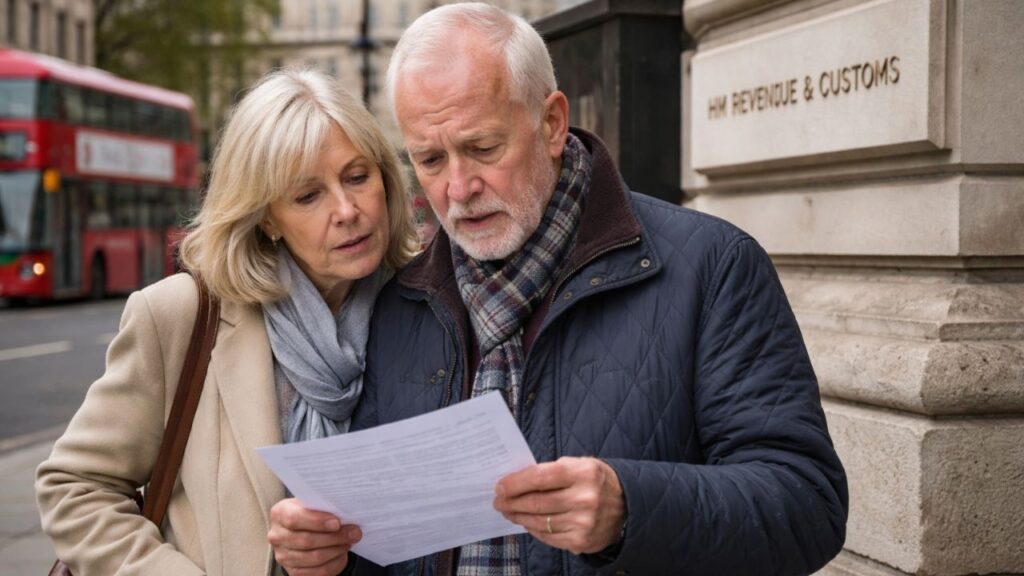
The widely discussed £420 figure largely comes from HMRC efforts to recover small tax underpayments from previous financial years. These underpayments are often identified through updated digital systems that automatically review pension income, bank interest, and other financial records. As the UK tax system becomes more automated, such adjustments are appearing more frequently. Understanding the reasons behind these deductions and reviewing personal tax details early can help pensioners avoid sudden financial surprises.
Understanding the £420 Deduction Figure
The £420 amount frequently mentioned in financial discussions is not a newly introduced tax specifically targeting pensioners. Instead, it typically results from HMRC’s “Simple Assessment” process or adjustments made to a taxpayer’s PAYE tax code after identifying an underpayment of tax from the previous year.
For many retirees who receive the State Pension along with a modest private pension, even a small tax code error can lead to an underpayment accumulating over time. When HMRC identifies this gap, the department normally recovers the amount by adjusting the individual’s tax code for the upcoming financial year. This results in slightly lower monthly pension payments until the outstanding balance is repaid.
In some cases, if the tax cannot be recovered through a code change, HMRC may issue a direct request for payment. The 18 March timeline is important because it represents one of the final administrative windows for processing these adjustments before the new tax year begins in April.
Frozen Personal Allowance and the Effect of Fiscal Drag
One of the main reasons more pensioners are entering the tax system is the long-standing freeze on the Personal Allowance. Since 2021, the threshold allowing individuals to earn income without paying tax has remained fixed at £12,570. At the same time, the State Pension has continued to increase due to the Triple Lock mechanism.
By April 2026, the full New State Pension is projected to reach roughly £12,548 annually. This leaves only a very small margin before a pensioner begins paying income tax at the basic 20 percent rate. If a retiree receives even a modest private pension or part-time employment income, that additional income becomes taxable.
This gradual process, often referred to as “fiscal drag,” is bringing more pensioners into the tax system even though tax rates themselves have not increased. As a result, many retirees are encountering unexpected deductions when their total income slightly exceeds the tax-free allowance.
How HMRC’s Simple Assessment System Works
For pensioners whose income mainly comes from the State Pension, HMRC usually does not collect tax through the standard Pay As You Earn (PAYE) system. Instead, the department relies on a process called “Simple Assessment.”
Under this system, HMRC calculates a taxpayer’s liability using financial data already provided by banks, pension providers, and other institutions. Once the calculation is completed, HMRC sends a notice explaining the amount owed and the method of payment.
The commonly discussed £420 deduction often appears when HMRC’s system identifies that a pensioner’s total income — including bank interest or annuity payments — has exceeded the Personal Allowance threshold. Because the State Pension is paid without tax deductions at source, the entire tax liability may be calculated after the fact and then either billed directly or recovered through adjustments in the following year.
Many pensioners are receiving these notices close to the early March administrative deadlines, which can cause confusion and concern.
The Role of Bank Interest and Savings Income
Savings income is another factor contributing to unexpected tax adjustments. Most basic-rate taxpayers benefit from a Personal Savings Allowance, which allows them to earn up to £1,000 in bank interest each year without paying tax.
However, with interest rates remaining relatively higher than they were several years ago, some pensioners are unknowingly exceeding this allowance. Banks now automatically report savings interest data directly to HMRC, enabling the tax authority to identify when the threshold has been crossed.
If HMRC discovers taxable interest that was not previously accounted for, it may update the taxpayer’s code to recover the amount owed. If interest has accumulated over multiple years without adjustment, the total correction can easily approach or exceed £400, which explains why the £420 figure appears in many recent discussions.
Fair Repayment Rates and Benefit Recovery Rules
For pensioners receiving additional support such as Pension Credit, the £420 figure is sometimes associated with benefit recovery policies rather than tax alone. The government has introduced updated “Fair Repayment Rate” rules designed to make repayment deductions more manageable for households.
Under the revised 2026 policy, the maximum deduction used to recover benefit overpayments has been reduced from 25 percent of a payment to 15 percent. This change is intended to protect vulnerable households from large deductions while still allowing the government to recover outstanding balances gradually.
Although this adjustment may reduce monthly deduction levels for some claimants, authorities are also strengthening data-matching systems to identify overpayments more efficiently. As a result, some pensioners may begin noticing small but consistent deductions appearing in their bank statements as older discrepancies are addressed.
Why the 18 March Timing Is Important
Early March represents a key administrative period in the UK tax calendar. Around this time, HMRC often finalizes tax code changes and issues P800 calculations or Simple Assessment notices that will affect the upcoming financial year.
If a taxpayer receives a notice before this period ends, they still have the opportunity to review the details and contact HMRC if they believe the calculation is incorrect. Ignoring such notices may result in the deduction automatically being applied from April onward through a revised tax code.
Taking action before the early March processing deadline can allow pensioners to challenge inaccurate data, provide updated income information, or request alternative repayment arrangements.
Checking Your Tax Code and Pension Records
The standard UK tax code is 1257L, representing the £12,570 Personal Allowance. If a pensioner’s tax code differs significantly from this format or includes additional letters such as “K” or “T,” it usually indicates that HMRC has applied adjustments.
A “K” code is particularly significant because it means a taxpayer has more untaxed income than their allowance covers, requiring additional tax collection through PAYE. This is one situation where deductions similar to the £420 adjustment can appear.
Pensioners can review their tax code by checking their latest pension payslip, logging into their Personal Tax Account online, or using the official HMRC mobile application.
Avoiding Common Pension Tax Errors
During the transition between tax years, some pensioners experience issues such as duplicate tax deductions from multiple pension providers. This can occur if different income sources are incorrectly assigned portions of the Personal Allowance.
Ensuring that the primary pension provider holds the full allowance allocation can help prevent these problems. If someone receives several small pensions, reviewing how the allowance is distributed between them can prevent unnecessary deductions.
Keeping tax records updated and promptly reporting changes in income or employment can also reduce the risk of incorrect calculations.
Support Options for Pensioners Facing Unexpected Bills
If a pensioner receives a tax demand that is difficult to pay immediately, support options are available. HMRC operates a “Time to Pay” arrangement that allows taxpayers to spread repayments over several months or longer, reducing financial strain.
Independent organisations such as TaxHelp for Older People also provide free guidance to retirees who need assistance understanding HMRC communications or resolving disputes about tax calculations.
Seeking advice early can help prevent the situation from escalating and ensure that repayment plans remain manageable.
Steps Pensioners Should Take Before the Deadline
To reduce the risk of unexpected deductions, pensioners should take several simple steps before the tax year closes:
Log in to the Personal Tax Account on GOV.UK and check for any Simple Assessment notices.
Review the tax code shown on the latest pension statement and confirm it matches the correct allowance.
Check savings interest earned during the past year to see whether it exceeds the Personal Savings Allowance.
Report any recent life changes — such as starting a new job, receiving a new pension, or changes in marital status — directly to HMRC.
Although the £420 figure has caused widespread concern, most situations can be resolved through careful review of tax records and early communication with HMRC. As the UK tax system becomes increasingly automated, regularly monitoring personal tax information is becoming an essential part of protecting retirement income.
