
Television continues to play a central role in everyday life for millions of households across the United Kingdom. It remains a major source of news, entertainment, and companionship, particularly for older residents who spend more time at home. As the country moves through 2026, the regulations surrounding the TV licence have once again become a major talking point, especially among pensioners who are trying to keep their household expenses under control. From 1 April 2026, the price of a standard colour TV licence will increase to £180.00. However, updated confirmations about concessions provide some financial relief for certain groups of older citizens.
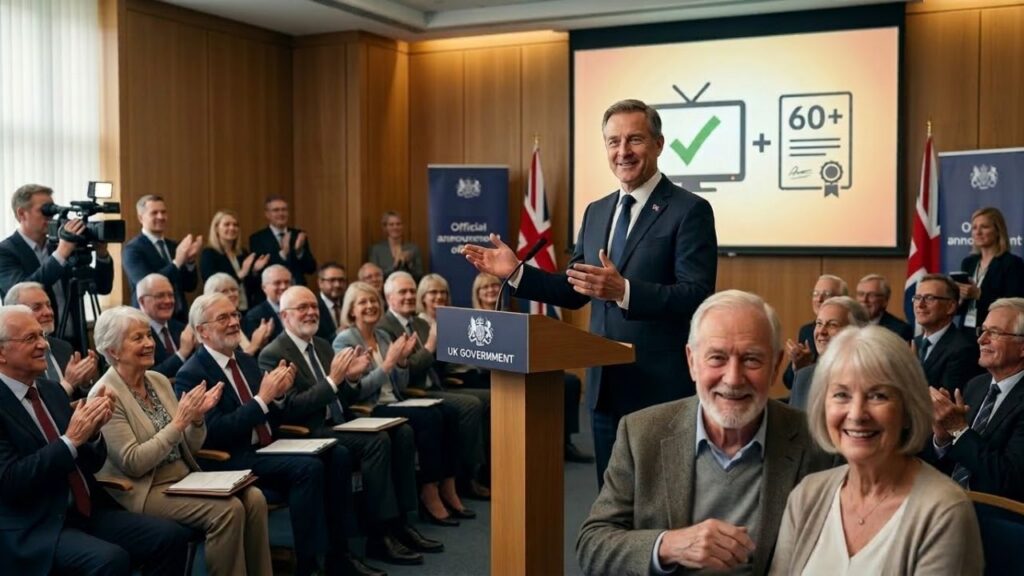
Understanding the latest guidelines is important because eligibility is no longer based simply on reaching a certain age milestone. The transition from a universal benefit to a means-tested system has caused confusion among many households. Despite this, individuals who meet the criteria can still benefit from major discounts or even a completely free licence. This guide explains who can qualify for free or reduced TV licences and how the application process works under the current 2026 policies.
Age Requirements for a Free TV Licence
Although there is widespread discussion about the possibility of free TV licences for people over 60, the official age requirement for a completely free licence remains 75 years or older. The BBC and the government have confirmed that there are currently no plans to bring back a universal free licence for everyone aged 60 or 65 and above.
That said, individuals over 60 may still benefit in certain situations. Retired people aged over 60 or those living with disabilities might qualify for the special “Accommodation for Residential Care” (ARC) licence if they live in approved sheltered housing or care facilities. This licence costs just £7.50 annually, giving residents access to television services at a very minimal cost.
Conditions for Free Licences for People Over 75
For those aged 75 and above, a free TV licence is available but only if specific conditions are met. It is not automatically granted once someone reaches the age of 75. The rules confirmed for 2026 state that two key conditions must be satisfied: the applicant must be aged 75 or older, and either the applicant or their partner living in the same household must receive Pension Credit.
Pension Credit is a government benefit aimed at supporting pensioners with lower incomes. It consists of two components: Guarantee Credit and Savings Credit. Receiving either of these, or both together, qualifies a household for the free TV licence. Even if the TV licence is registered under one partner’s name while the other partner receives Pension Credit, the household can still qualify as long as they share the same address.
Why Pension Credit Plays a Key Role
Pension Credit is often described as a gateway benefit because it opens the door to multiple additional forms of financial assistance. Along with eliminating the £180.00 TV licence fee, those receiving Pension Credit may also gain access to support with council tax payments, heating costs, and certain NHS services such as dental care.
Officials have confirmed that the link between Pension Credit and free TV licences will remain in place for the duration of the current BBC Charter, which runs until the end of 2027. For pensioners aged over 75, ensuring that they are registered for Pension Credit is currently the most reliable way to receive a free TV licence.
Half-Price TV Licence for Blind Individuals
Another important concession applies to people who are registered as blind or severely sight-impaired. These individuals are eligible for a 50% reduction in the TV licence fee.
Beginning 1 April 2026, this means a colour TV licence will cost £90.00 instead of the full £180.00. To receive this discount, the licence must be registered in the name of the person who is officially recognised as blind. If the licence is currently in a partner’s name, it can be transferred through TV Licensing so the household can benefit from the reduced rate.
Special Licence for Care Home Residents
Residents living in residential care homes or certain sheltered housing schemes may qualify for one of the most affordable options available. The Accommodation for Residential Care (ARC) licence costs only £7.50 per year.
This concession is available to residents who are retired and aged over 60 or who have a disability. Residents should check with the housing manager or facility administrator to confirm whether their accommodation is eligible for the scheme. Typically, this licence is required only when the resident watches television in their own private living area rather than in communal lounges.
Steps to Apply for a Free TV Licence
Applying for a free TV licence is generally a straightforward process, but it does not happen automatically when someone turns 75. The individual must submit an application themselves. Applications can be completed online through the official TV Licensing website or by contacting their customer service helpline.
During the application process, applicants will need to provide their National Insurance number. This allows TV Licensing to confirm their Pension Credit status with the Department for Work and Pensions (DWP). People who are 74 years old and already receiving Pension Credit can apply early so their payments are adjusted in advance, ensuring they automatically receive the free licence once they reach 75.
Contact Details for TV Licence Applications
If you want to apply for a free licence or confirm your eligibility, you can use the following official contact options:
TV Licensing Website: Apply online or update your licence details through your account.
Telephone: Call 0300 790 6071 for general applications or 0300 790 6117 for specific forms.
Minicom: Individuals with hearing or speech difficulties can call 0300 709 6050.
Northern Ireland: Residents may contact the Northern Ireland Pension Centre at 0808 100 6165 for advice related to Pension Credit.
What a TV Licence Covers in 2026
Many people believe a TV licence is required only for watching BBC channels, but this is not correct. Under UK law, a licence is needed if you watch or record live television on any channel or platform. This includes broadcasters such as ITV, Channel 4, Sky, and international stations.
A licence is also required for watching live broadcasts on streaming platforms like YouTube, Amazon Prime Video, or Netflix, as well as for any content viewed on BBC iPlayer. However, a licence is not required for purely on-demand services such as Disney Plus or for non-live videos on platforms like YouTube.
Possible Future Changes to the System
The BBC’s funding structure is regularly reviewed by the government. A formal Charter Review has already been launched to examine potential alternatives for funding the broadcaster after 2027.
One part of this review includes evaluating existing concessions and considering whether new benefits—such as broader discounts for all people aged over 60—could be introduced in the future. For the moment, the government has confirmed that licence fees will continue to rise in line with inflation to maintain stable funding for the BBC.
How to Claim a Refund if You Overpaid
If you have been paying for a full TV licence but later discover you were eligible for a free licence or discount, you may be able to request a refund. TV Licensing allows eligible individuals to claim refunds for periods when they qualified for a concession but continued paying the full fee.
This situation commonly occurs when someone has recently started receiving Pension Credit or has just been officially registered as blind. Checking your eligibility status can sometimes result in a backdated refund.
Why Checking Pension Credit Eligibility Matters
With the cost of a colour TV licence increasing to £180.00 from April 2026, it is more important than ever for pensioners to review their eligibility for Pension Credit. Many people mistakenly assume they cannot qualify if they own their home or have some savings, but this is not always the case.
According to estimates from the Department for Work and Pensions, hundreds of thousands of eligible pensioners are not currently claiming Pension Credit. Applying for this benefit can reduce daily financial pressure while also ensuring that your TV licence costs are completely covered.
Overview of the Updated 2026 TV Licence Rules
As of March 2026, the latest rules confirm that a universal free TV licence for all people aged over 60 is not currently available. However, meaningful support continues to exist for pensioners with lower incomes or those living in specific housing arrangements.
The free licence for individuals aged 75 and over who receive Pension Credit, along with the £7.50 ARC licence for eligible residents over 60 in sheltered housing, remain the primary concessions designed to support older citizens.
By staying informed about these rules and completing the necessary applications, UK pensioners can continue enjoying their favourite television programmes without facing the additional burden of the rising £180 licence fee.
