
The month of March 2026 has sparked widespread concern among the UK’s retirement community as reports of a potential £2,500 new tax burden began circulating. While some headlines suggest that HM Revenue & Customs (HMRC) is issuing a flat charge to everyone over 65, the situation is actually the result of a complex mix of frozen tax thresholds, rising pension income, and fiscal drag. For pensioners aged 65 and above, understanding how these changes work is essential to avoid unexpected deductions from retirement income.
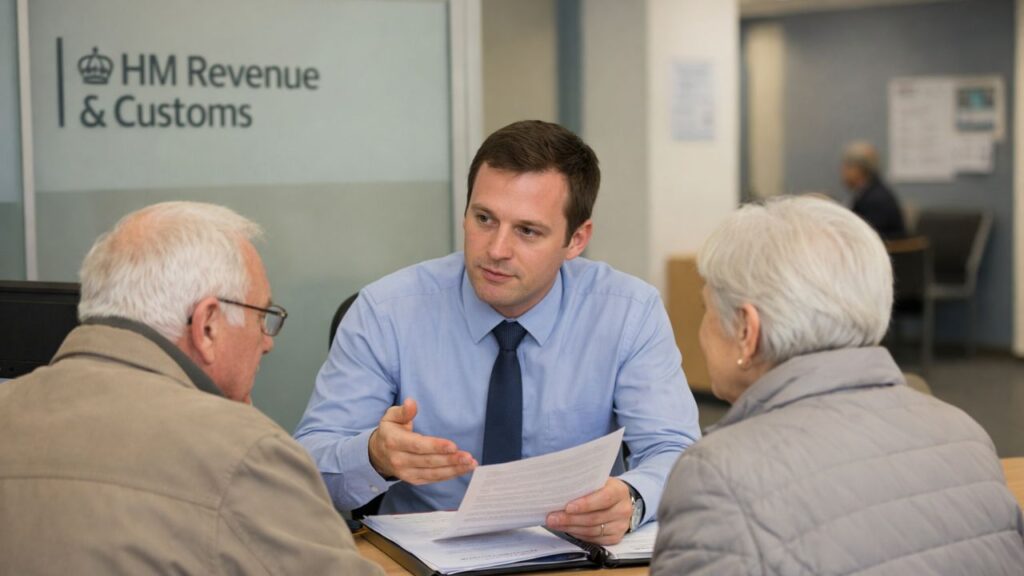
Understanding the £2,500 Tax Impact
It is important to understand that HMRC is not sending a fixed £2,500 bill to every retiree. Instead, this figure reflects the possible combined tax impact experienced by some pensioners due to several policy shifts. For retirees receiving the full State Pension along with a workplace or private pension, the increase in taxable income compared to previous years could approach this level.
The key factor behind this change is often described as a “stealth tax”. Pension payments are rising with inflation, but the personal tax allowance has remained frozen at £12,570 since April 2021. As pension income gradually rises above this threshold, more of a retiree’s income becomes subject to taxation.
State Pension Triple Lock and Tax Threshold Pressure
A major contributor to the situation is the State Pension Triple Lock. Beginning in April 2026, the full New State Pension is expected to reach approximately £241.30 per week, which equals about £12,547 annually.
This means that a pensioner receiving the full State Pension will have only about £22.40 remaining within their tax-free personal allowance for the entire year. If they receive even small additional income—from a private pension, part-time employment, or savings interest—that extra income may immediately become taxable at the 20% basic rate.
Fiscal Drag and Rising Tax Exposure
Economists call this process “fiscal drag.” When tax thresholds remain unchanged while incomes increase, more individuals are gradually pulled into the tax system.
The UK government has already confirmed that the personal allowance freeze will continue until at least 2028. As a result, many pensioners who previously paid little or no tax may now find themselves paying tax on portions of their income.
This impact becomes more noticeable when retirees withdraw funds from a Self-Invested Personal Pension (SIPP), annuity payments, or lump-sum withdrawals to manage rising living costs. Because the State Pension already consumes most of the tax-free allowance, these additional withdrawals may face unexpected tax deductions.
Dividend and Investment Tax Changes
Another element contributing to the projected tax increase involves investment income rules for 2026. From April 2026 onward, dividend tax rates are set at:
| Tax Category | Dividend Tax Rate |
|---|---|
| Basic Rate Taxpayers | 10.75% |
| Higher Rate Taxpayers | 35.75% |
Many retirees rely on dividend-paying shares, savings accounts, or small investment portfolios to supplement their income. Because the dividend allowance has been reduced to £500, a larger share of these returns is now subject to taxation.
For pensioners with significant investments held outside of tax-free ISAs, these changes can noticeably increase their annual tax liability.
HMRC Tax Code Adjustments in March 2026
Some retirees have already noticed changes to their HMRC tax codes during March, even before the start of the new tax year in April.
This happens because HMRC often updates tax codes in advance to reflect the upcoming increase in State Pension payments. If projected income suggests that a pensioner may cross a tax threshold, their tax code—such as an L code or K code—may be adjusted earlier.
These changes can lead to higher tax deductions from pension payments, which may feel like a sudden reduction in monthly income.
The Growing Use of Simple Assessment
HMRC has also expanded the use of its “Simple Assessment” system to collect tax from pensioners whose primary income is the State Pension.
Previously, many retirees did not need to submit tax returns because their income levels were below taxable limits. However, as the State Pension approaches the personal allowance threshold, HMRC now uses information provided by the Department for Work and Pensions (DWP) to calculate taxes owed.
Why March 2026 Became a Key Turning Point
The date March 6, 2026, became important because it marked the implementation of updated procedures between the DWP and HMRC for recalculating pension income and recovering past overpayments.
Under new rules, if a pensioner previously received excess payments—perhaps due to administrative errors or unreported financial changes—authorities may now recover these amounts directly from future payments.
In some cases, deductions may reach up to £153 per month. Over the course of a year, this could total nearly £1,800, which contributes significantly to the estimated £2,500 financial impact mentioned in headlines.
Interest Income and the Savings Allowance
Another hidden pressure point is the Personal Savings Allowance, which allows basic-rate taxpayers to earn £1,000 in interest tax-free. Higher-rate taxpayers receive a reduced allowance of £500.
| Taxpayer Status | Tax-Free Savings Interest |
|---|---|
| Basic Rate Taxpayer | £1,000 |
| Higher Rate Taxpayer | £500 |
If fiscal drag pushes a pensioner’s income above £50,271, they may move into the higher-rate bracket. This automatically reduces their tax-free savings allowance and can result in additional tax on bank interest.
Ways Pensioners Can Reduce Their Tax Burden
Despite the worrying headlines, there are still strategies available to help pensioners protect their income.
- Using Individual Savings Accounts (ISAs) remains one of the most effective solutions because all income and gains inside an ISA are completely tax-free.
- Marriage Allowance allows couples to transfer up to £1,260 of unused personal allowance, potentially reducing tax by up to £252 per year.
- Pension contributions still receive 20% government tax relief, which can partially offset rising tax exposure.
Seeking Help and Professional Advice
Pensioners with more complex financial situations—such as multiple pensions, investments, or large retirement funds—may benefit from consulting professional tax advisors.
HMRC is also preparing to launch an Advance Tax Certainty Service, aimed at providing clearer guidance on future tax obligations. In the meantime, retirees are encouraged to carefully review any tax code notices or Simple Assessment letters they receive.
Organizations such as TaxHelp for Older People can provide free or low-cost assistance to ensure pensioners are not paying more tax than required.
The Long-Term Outlook for UK Pensioners
The developments of 2026 demonstrate that the Triple Lock system can have unintended consequences. While it protects the real value of pensions, it also increases the likelihood that pensioners will exceed the frozen tax thresholds.
Government forecasts suggest that frozen thresholds could generate approximately £29.3 billion in additional tax revenue annually by 2027. As a result, more retirees are expected to become active taxpayers over the coming years.
Adapting to a Higher-Tax Environment
The UK is currently experiencing one of its highest tax burdens in decades, and pensioners are increasingly affected by this shift.
For retirees, the key strategy moving forward will be improving financial awareness and tax planning. By understanding how allowances, pension income, and savings rules interact, many pensioners can reduce their exposure to unnecessary tax.
Although headlines referencing a £2,500 tax charge may sound alarming, they mainly highlight the broader effects of fiscal drag and policy adjustments. With careful planning and awareness of available allowances, pensioners can continue managing their retirement finances with greater confidence.
