
As temperatures begin to fall across the UK and winter slowly takes hold, many households are once again looking toward the Department for Work and Pensions (DWP) for extra help with heating costs. The Cold Weather Payment scheme for the 2025/2026 winter season has now been confirmed, offering a £25 payment for every seven-day stretch of extremely cold weather.
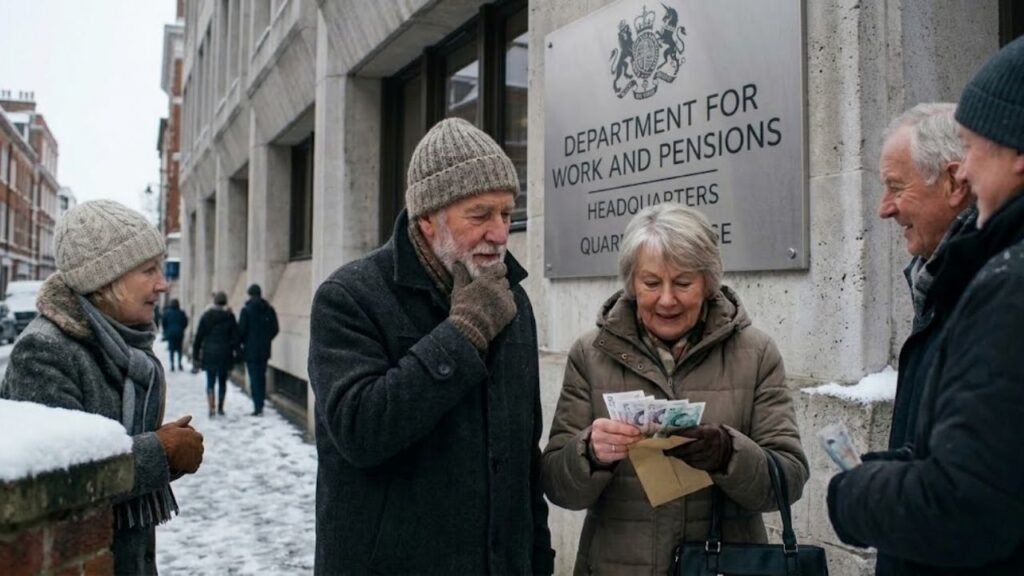
For many families and pensioners, this support may not cover the entire heating bill, but it can still make a meaningful difference. During periods of freezing temperatures, the payment can help people keep their homes warm for longer without worrying as much about rising energy costs. Here is a clear guide to how the 2026 Cold Weather Payment works, who qualifies for it, and how the temperature trigger system activates the payment.
Understanding the Cold Weather Payment Scheme
The Cold Weather Payment is a government support program created to help people on low incomes manage higher heating expenses during severe winter conditions. Unlike the Winter Fuel Payment, which is paid as a fixed seasonal amount regardless of weather conditions, the Cold Weather Payment depends directly on local temperature levels.
If the average temperature in your area is recorded or predicted to be 0°C or below for seven consecutive days, a payment is automatically triggered. This means the benefit is directly tied to actual weather conditions in your postcode area. Once the temperature threshold is reached, eligible households automatically receive the payment without needing to apply.
Cold Weather Payment Amount for 2026
For the 2026 winter period, the payment remains set at £25. This amount is issued for each seven-day period of extremely cold weather between 1 November and 31 March.
If an area experiences several separate freezing periods during the winter, households may receive the payment multiple times. For example, if temperatures remain at or below freezing for three separate qualifying weeks, the total support received would be £75. Payments are issued automatically to those already receiving qualifying benefits, meaning no extra application forms are required.
| Weather Period | Payment Amount | Example Scenario |
|---|---|---|
| 1 qualifying week | £25 | 7 consecutive days below 0°C |
| 2 qualifying weeks | £50 | Two separate freezing periods |
| 3 qualifying weeks | £75 | Extended cold winter month |
| Eligibility window | 1 Nov – 31 Mar | Payments only within winter period |
Who Qualifies for the £25 Cold Weather Payment
The payment is designed for people who may struggle most with rising heating costs. Not everyone automatically qualifies. The payment is mainly targeted toward individuals already receiving certain income-related benefits.
You may be eligible if you currently receive one of the following:
• Pension Credit
• Income Support
• Income-based Jobseeker’s Allowance (JSA)
• Income-related Employment and Support Allowance (ESA)
• Universal Credit
• Support for Mortgage Interest (SMI)
In many cases, additional conditions must also be met. These can include having a disability, having a child under five living in the household, or receiving specific premium elements within your benefit claim.
Special Eligibility Rules for Universal Credit Claimants
For people receiving Universal Credit, eligibility rules can be slightly more detailed. To qualify for the Cold Weather Payment while on Universal Credit, you must meet additional criteria alongside receiving the benefit itself.
You may qualify if your claim includes one of the following:
• Limited Capability for Work (LCW)
• Limited Capability for Work-Related Activity (LCWRA)
• A child under the age of five living in your household
• A disabled child element within your Universal Credit claim
If you are working while claiming Universal Credit, eligibility may still apply if your household includes a disabled child. Because these rules can sometimes be confusing, it is always recommended to review your most recent Universal Credit statement for confirmation.
Pension Credit and Support for Older Residents
For pensioners receiving Pension Credit, the eligibility process is usually simpler. In most cases, individuals who receive Pension Credit automatically qualify for the Cold Weather Payment when freezing conditions occur in their area.
This payment has become particularly important following adjustments to other winter benefits. Many older residents rely on it as a key support during extremely cold weeks, especially when energy bills increase sharply during the winter months.
How the Temperature Trigger System Works
The Department for Work and Pensions relies on an official network of weather monitoring stations to determine when payments should be triggered. There are 94 weather stations located across England and Wales, and every postcode is connected to one of these stations.
When a weather station records, or forecasts, temperatures of 0°C or below for seven consecutive days, a Cold Weather Payment trigger is activated. Once the trigger is confirmed, eligible households linked to that station automatically receive the payment.
Changes for Residents Living in Scotland
The Cold Weather Payment system no longer applies in Scotland. Instead, residents receive a different benefit called the Winter Heating Payment.
This Scottish payment is typically around £55 to £60 per year and is paid automatically regardless of temperature conditions. While this system provides guaranteed support each winter, it does not increase during particularly severe cold periods the way the Cold Weather Payment can in England and Wales.
Checking If Your Area Has Triggered a Payment
Households do not need to wait for their bank account to confirm whether a payment has been triggered. The UK government provides an online Cold Weather Payment postcode checker.
By entering the first part of your postcode, you can see if freezing weather conditions have triggered a payment in your area. This tool is especially useful during extreme winter weather events when people want to quickly confirm whether support has been activated.
When the Payment Will Arrive
Once a cold weather trigger has been recorded, the payment should normally arrive within 14 working days. The money is deposited into the same bank or building society account where your regular benefit payments are sent.
On your bank statement, the payment will usually appear with a reference that includes your National Insurance number along with the identifier “DWP CWP”.
What to Do If You Do Not Receive the Payment
If your area experienced freezing conditions for a full week and you believe you meet the eligibility requirements but have not received the payment after 14 days, you should contact the relevant service.
Universal Credit claimants can report the issue through their online journal. Pensioners receiving Pension Credit should contact the Pension Service, while individuals receiving other benefits can reach out to their local Jobcentre Plus office.
Payment issues can sometimes occur if you have recently moved house or if household circumstances have changed.
Managing Heating Costs During Winter
Although the £25 payment is helpful, it is not intended to cover the entire cost of heating a home. Rising energy prices mean the payment often covers only a few days of heating for an average household.
Because of this, financial advisers often recommend viewing the Cold Weather Payment as a supplementary support measure rather than a full solution to winter heating costs.
Practical Ways to Keep Your Home Warm
There are several small steps households can take to improve heating efficiency during winter and make support payments stretch further.
Bleeding radiators regularly can remove trapped air and improve heating performance. Using draft excluders under doors can prevent warm air from escaping. Placing reflective foil behind radiators on external walls can also help redirect heat back into the room instead of losing it through the wall.
Additional Support Available for UK Households
The Cold Weather Payment is only one part of the government’s wider winter support system. Other schemes are also available to help households manage energy and living costs.
These include the Warm Home Discount, which provides a £150 reduction on electricity bills, the Winter Fuel Payment for eligible pensioners, and the Household Support Fund distributed by local councils.
Final Overview
The confirmation of the £25 Cold Weather Payment for the 2026 winter season provides an important safety net for vulnerable households across the UK. While it may seem like a small amount, the payment plays a critical role in helping people maintain safe heating levels during periods of extreme cold.
By understanding how the temperature trigger system works and checking your postcode during freezing weather, eligible households can ensure they receive the support they are entitled to during the coldest weeks of the year.
